

Insuring and Valuation Updates in more Dynamic Markets
Insurers require more frequent valuation updates for Fine Art items than other less dynamic markets. The term “dynamic” is used to indicate the frequency of market events that influence market values.
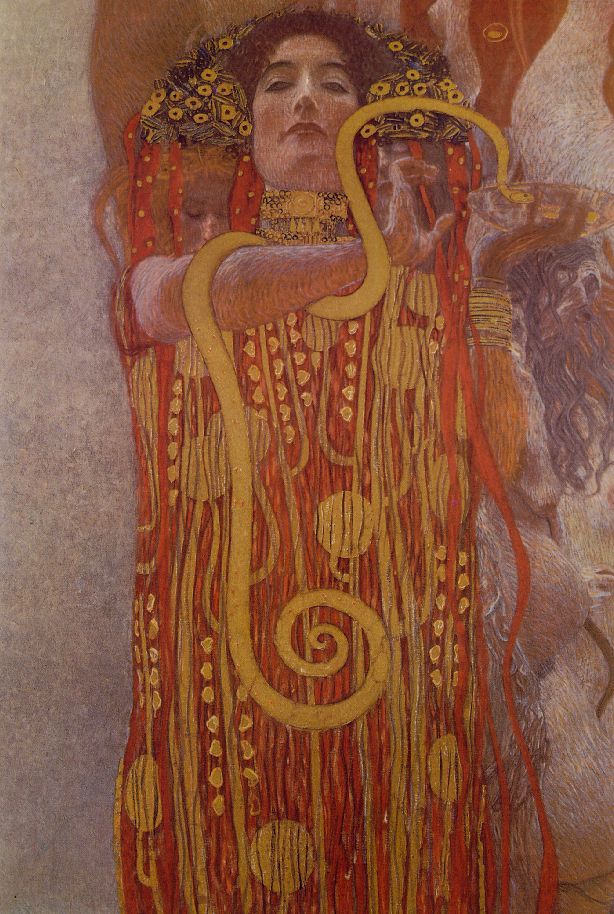
Lost Fine Art: ‘Medicine’ by Gustav Klimt
Known as the ‘Faculty Paintings’, a series of paintings made on commission for the ceiling of the University of Vienna’s Great Hall in 1900–1907.
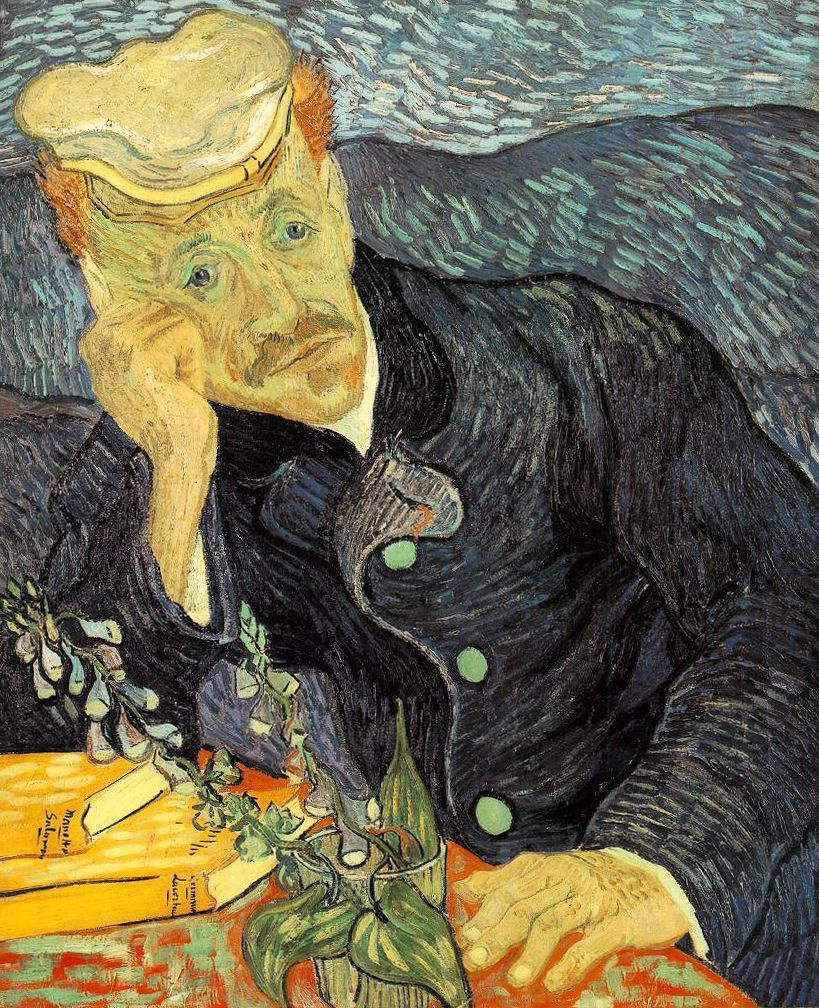
Missing Fine Art: Portrait of Dr. Gachet by Vincent Van Gogh
Portrait of Dr. Gachet is one of the most revered paintings by the Dutch artist Vincent van Gogh.
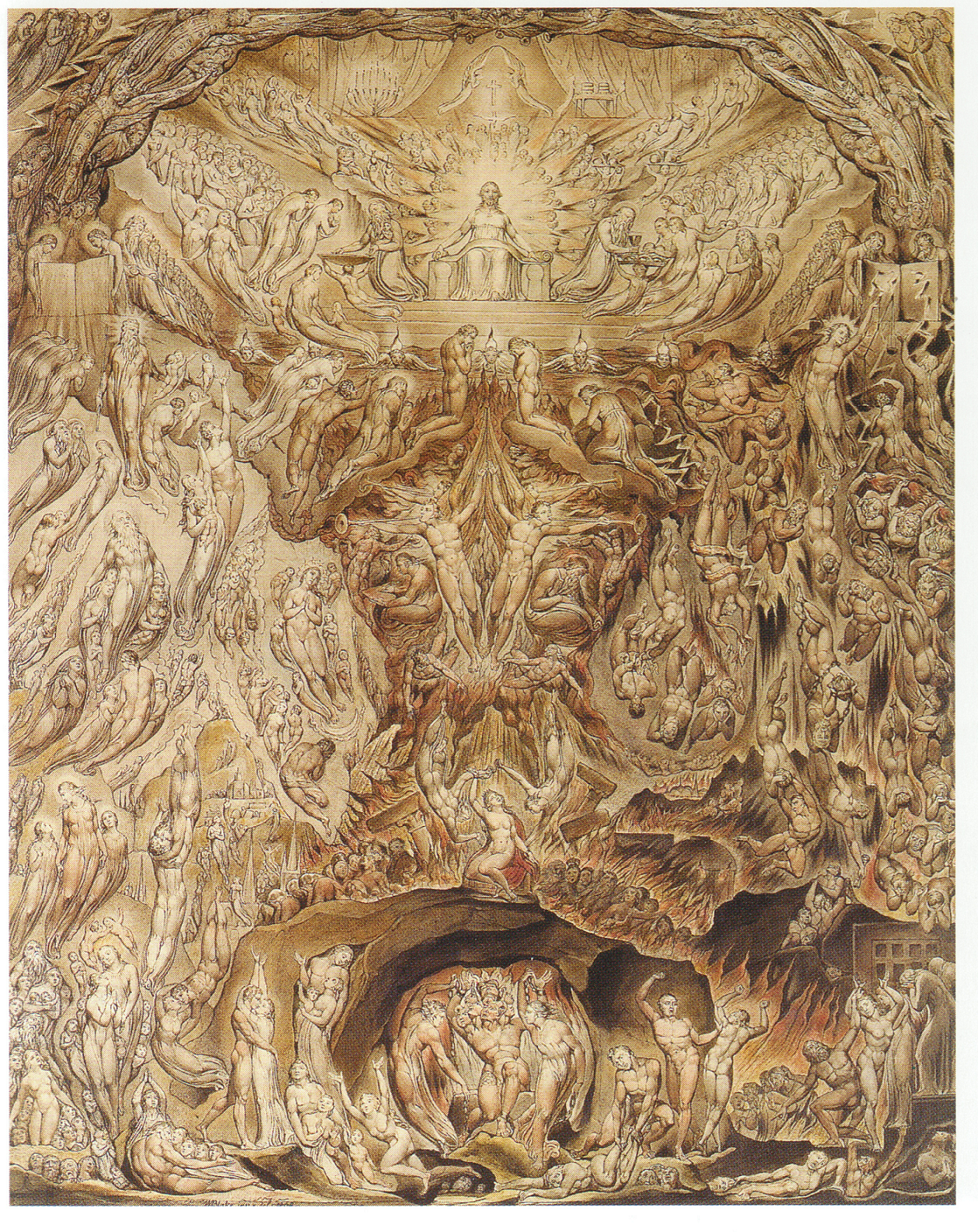
LOST FINE ART: A Vision of the Last Judgement by William Blake
A painting by William Blake designed in 1808 before becoming a lost artwork. The seven foot by five foot painting was to be shown in an 1810 exhibit of Blake’s work, but the exhibit was cancelled after problems resulting from an 1809 exhibit of his works. The actual painting was lost, but earlier versions of the work survived. These include an 1808 watercolour version made for Elizabeth Ilive, wife of George Wyndham, 3rd Earl of Egremont, that was displayed at their Petworth House. A similar illustration in pencil and ink became part of the Rosenwald Collection. Other editions included watercolours made for Thomas Butts in 1806, 1807, and 1809, one for John Flaxman in 1806 (lost), and an 1809 unsold version in tempera. These are in addition to The Day of Judgement made for Blair’s The Grave. The painting was to be discussed in Blake’s Descriptive Catalogue, a work that, in 1809, described Blake’s feelings about various painters and poets in addition to descriptions of his own works and their various meanings. Blake planned to create another edition for the 1810 collection but the plan was stopped after the exhibition was cancelled. Notes for what Blake planned to write for the works A Vision of the Last Judgement and Public Address survived. The notes were discovered by William Michael Rossetti and first mentioned in a letter to Horace Scudder on 27 November 1864. Rossetti transcribed the notes for Alexander Gilchrist’s The Life of William Blake, an early biography on Blake. One piece of the work was missing: part of page 71 was sent by Rossetti to Scudder. Blake discussed the 1808 watercolour sold to Ilives in two works, a poem, “The Caverns of the Grave Ive Seen”, written for Ilives provided by Blake with her design. and a description of Ilives’s design for Humphry in January 1808. Blake claimed to have seen visions throughout his life, and he claimed that they were a common aspect of life. His understanding of these events was, as he explained, similar to the experiences of biblical prophets. He based his portrayal of the apocalypse on his belief that God’s love allowed for a personal apocalypse as part of the human experience. In the notes to the work, he claimed that “whenever any Individual Rejects Error & Embraces Truth a Last Judgement passes upon that Individual”.
Is my item worth appraising?
An appraisal from an appraisal professional is a systematic procedure with its very own methodology. The procedure involves identification, market comparable research, and the presentation of the information. If the appraiser gets the identification wrong, the accuracy of the appraisal information will likely be inaccurate. A ballpark value, guess, estimate, guesstimate, etc. are not appraisals. If the aforementioned are free, then typically you have received a value opinion worthy of your cost. Be careful however before making critical decisions with the object in your possession. We have a better alternative – an online appraisal by an experienced team of professional appraisers. Our appraisal team certifies the value of hundreds of items found in and around homes from around the country every week. Most items can be positively identified from a quality image or several, a short factual description, and, if available, any documents of origination you may have. Not sure if your item is worth appraising? Before spending hundreds of dollars for an onsite formal appraisal or receiving a “free” value from a local dealer that will be glad to take it off your hands, give a remote online appraisal a try. We’ve been appraising since 1976, we have no interest in your item, we’re fast (3 days), accurate, and cost effective. Is an independent, accurate value worth a small monetary investment? At the very least, once and for all, you will understand the item’s actual market value. Appraisal of any one of your items for as low as $95 Pay securely with debit/credit card or PayPal Certificate emailed within 3 days CONTACT US to obtain more information. CLICK HERE to submit an item for online appraisal.
Sports Memorabilia Appraisal Experts
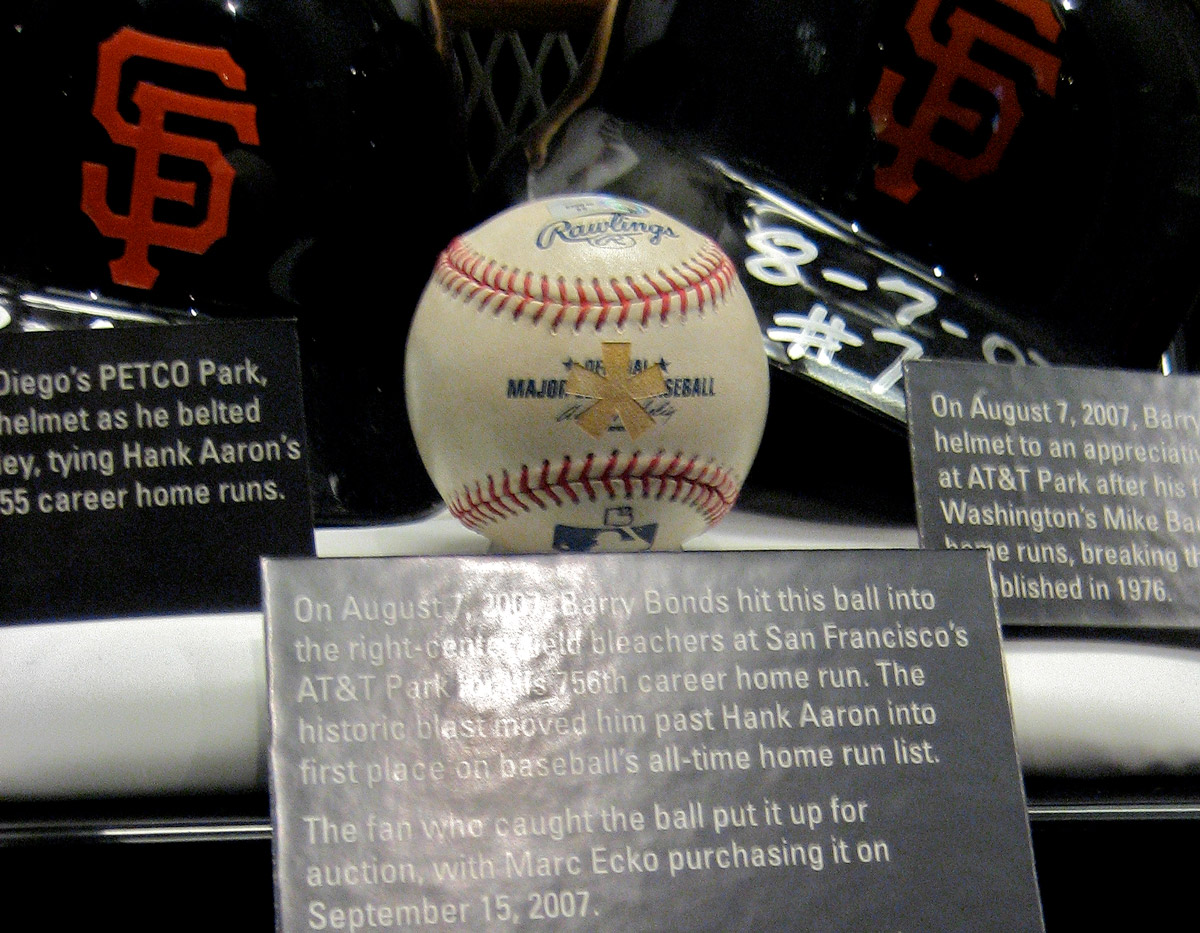
As senior accredited appraisers of personal property, of which sports memorabilia is an important category of collectibles, at ValuePros we use our over 40 years of experience and expertise to prepare appraisals of items involved in every professional sport played internationally. Sports Memorabilia collecting can actually trace its roots back centuries, and sometimes we are asked to examine and appraise items from the early Olympiad days. The bulk of our work, however, involves appraising sports items from the 20th century when collecting transitioned from a hobby to an investment with profit potential. At ValuePros, we know for instance that signed equipment from before the Great Depression is extremely rare. Who’d want to waste a good baseball on an autograph? The first type of memorabilia collected was much simpler, and it’s probably the same way many of today’s collectors got their start. From this simple analogy, you see that ValuePros experts not only have to know what the items are, but also understand the economic conditions of a particular era that may have affected the buying-selling-collecting scenario. As appraisers of Sports Memorabilia, we understand the criteria of scarcity; in this case, because there were fewer gloves made for certain positions on the field, e.g. Catcher than for outfielders, it follows fewer Catcher’s gloves were made or survived the passage of time and usage. If you find a Catcher’s glove, for example, from the 1920s, there are far fewer of those gloves available than Pitcher’s gloves, because every team had a dozen or so Pitchers and maybe two Catchers. We also have to also consider two other factors: Condition and Authentication. A worn, tattered sports item, no matter the age, has to be correctly judged against items that have been properly cared for and have retained much of their originality. As in any economic endeavor, as Collecting is, there will be fraud. The Sports Memorabilia industry is rife with fakes. At ValuePros we are trained to look for the differentiating factors between fakes and originals. If you have a Sports Memorabilia Appraisal need or question call us at (888) 353-7152 to discuss or CONTACT US online.




Stay Informed
Follow ValuePros for appraisal insights, industry updates, and expert guidance.